Oil pastel drawings
In what follows we consider three pictures which have all used oil pastel drawings as the starting point in their creation. We give a brief explanation of the process that was used, considering each of the pictures in turn. A fine art print on paper or canvas can be made of each of them. The prints can also be made at custom sizes if required, with no loss of quality. This is due to the fact that the digital image files are produced on a computer and so high resolution files can always be created by scanning in the oil pastel drawings at the required high resolution.
Iteration
The picture Iteration shown in Figure 1, is derived from a photo of an original oil pastel drawing which is shown in Figure 2.
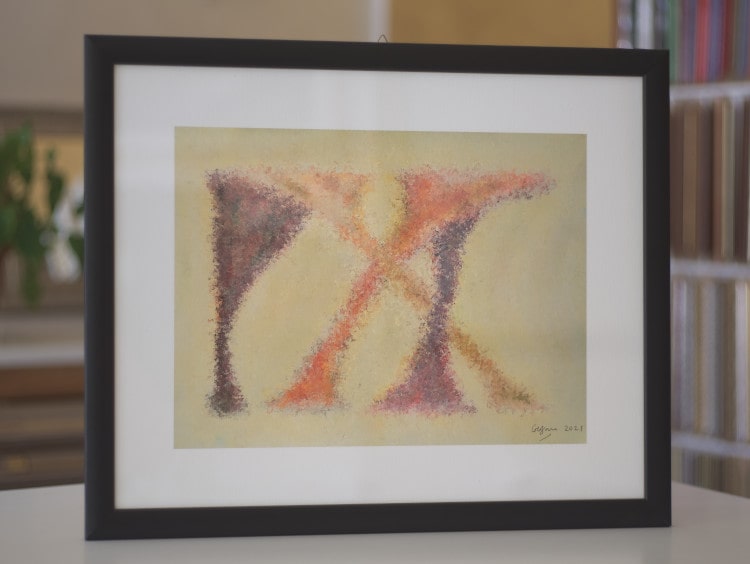
Figure 1: Iteration
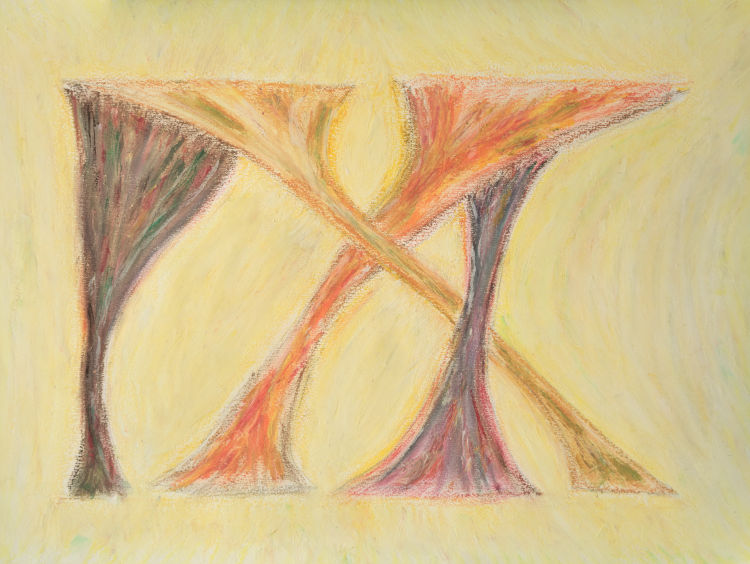
Figure 2: Original oil pastel drawing used for Iteration
Each individual pixel in Figure 2 goes on a “random walk”. This was achieved by writing original c++ code on a computer. The result is the finished picture shown in Figure 1. It is important to understand that none of the “special effects” or “filters” available in graphics software like Photoshop have been used. The code was adjusted and fine tuned to work for this particular picture and the random walk effect obtained is therefore unique. Random walks in mathematical terms are closely related to Brownian motion and can be regarded as a natural process. The result is a painterly effect which retains the soft colours and strokes of the original oil pastel drawing.
Seascape
The fine art print of Seascape in Figure 3, is also derived from a photo of an original oil pastel drawing which is shown in Figure 4. Here each pixel maps out a path determined by a dynamical system involving trigonometric functions composed with low degree polynomials. Again this was done by writing original c++ code on a computer. This produces a unique effect shown in the final picture but which still retains the human touch of the oil pastel drawing.
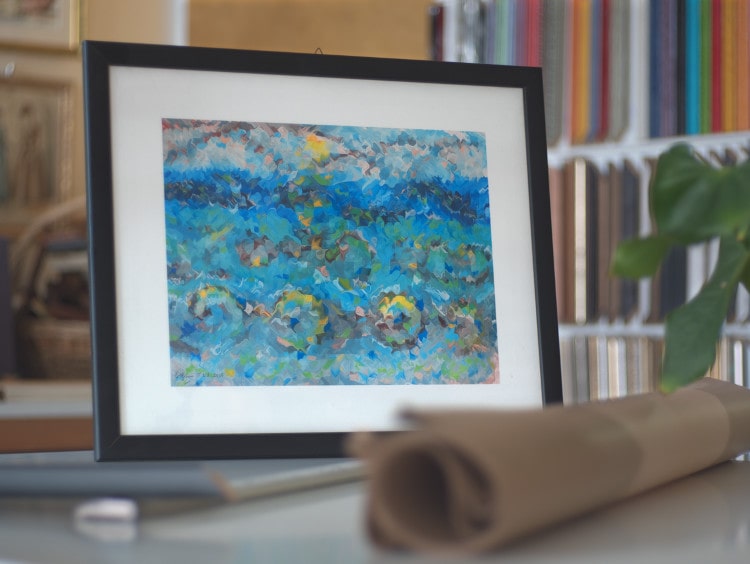
Figure 3: Seascape
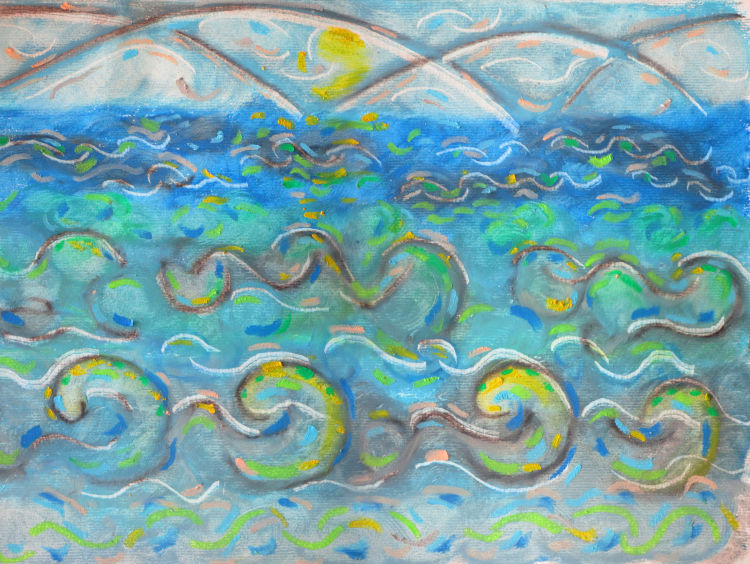
Figure 4: Original oil pastel drawing used for Seascape
T1a
The picture T1a is also derived from a photo of the original oil pastel drawing. Again a dynamical system involving trigonometric functions composed with low degree polynomials was applied to the oil pastel drawing shown in Figure 5. The c++ code was fine tuned to create this particular effect, a detail of which can be seen here.
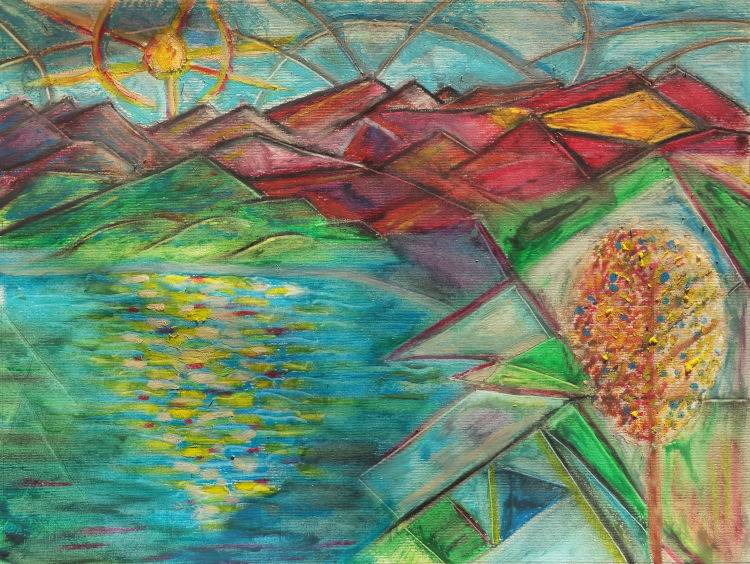
Figure 5: Original oil pastel drawing used for T1a